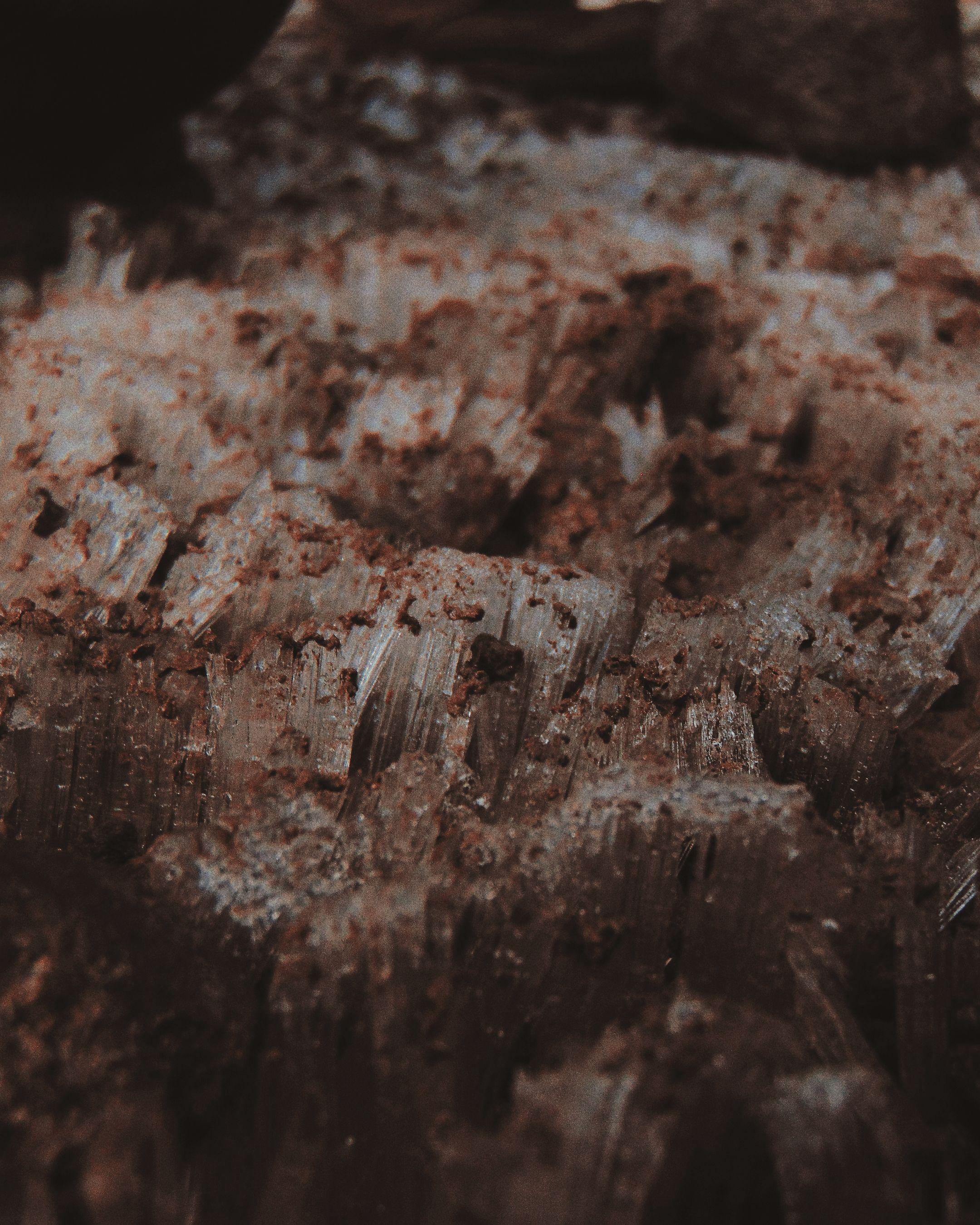
If you own mineral rights, you may be sitting on an asset that can be sold independently from the surface property itself. One of the most common questions we hear from owners is simple: can you sell mineral rights?
Yes, in many cases you can.
At Momentum Minerals, we work with mineral and royalty owners who want to better understand what they own, what it may be worth, and whether selling makes sense for their financial goals. Mineral rights can represent significant value, but the process can feel complicated if you have never dealt with them before.
This guide breaks down the basics of who can sell mineral rights, what can be sold, how the process works, and why some owners choose to turn a long-term mineral interest into immediate cash.
Mineral rights refer to the legal ownership of resources beneath the surface of a property. Depending on the property, those resources may include oil, natural gas, coal, metals, and other minerals. Mineral ownership can be separate from ownership of the surface land, which means one person may own the property while another owns some or all of the minerals underneath it.
A mineral interest may give its owner the ability to lease, sell, develop, or otherwise benefit from those underground resources, depending on the specific ownership terms.
That separation is important because it means you generally do not need to sell your home, ranch, or other surface property simply because you decide to sell an eligible mineral interest.
If you are asking can you sell mineral rights, the key question is whether you actually own an interest that can legally be transferred.
Mineral rights may have been purchased along with property, retained by a previous owner, inherited through an estate, or transferred separately over the years. Inherited mineral interests may give the new owner the ability to lease or sell those rights or receive revenue from production, depending on the title history and terms of the interest.
Before pursuing a sale, it is important to understand exactly what you own. That can sometimes be less straightforward than expected, particularly when mineral interests have been divided among family members over several generations.
At Momentum Minerals, part of our process involves reviewing available records and helping owners better understand their mineral interests before moving forward with an offer.
A mineral rights transaction does not necessarily look the same for every owner.
You may own a mineral interest, royalty interest, or another type of interest related to oil and gas production. Mineral rights and royalty rights are related, but they are not identical. Mineral ownership can include authority over leasing, selling, or development, while royalty ownership is generally tied to receiving a percentage of revenue from production without controlling drilling or development decisions.
The value and structure of a potential sale can therefore depend on factors such as:
Because every mineral property is different, there is no universal price per acre or simple formula that applies to every sale. Geographic location, production history, infrastructure, mineral type, ownership structure, and future development potential can all affect value.
At Momentum Minerals, we use a straightforward process designed to help owners understand their assets and evaluate an offer without unnecessary complexity.
The process starts with learning what you own.
Useful documents may include recent royalty check stubs, leases, assignments, conveyances, maps, and other ownership records. In many cases, royalty check stubs alone can provide valuable information about the property, the producing operator, and the interest being paid.
Do not assume you need to have every document perfectly organized before contacting us. If you are unsure what you own or what paperwork is relevant, we can help determine what information is needed.
Once the appropriate information has been collected, our evaluation team reviews the asset.
Momentum Minerals uses land, engineering, and financial expertise to assess mineral assets and determine an offer. Factors can include existing production, future development potential, market conditions, location, and other characteristics of the interest.
This is an important step because mineral rights value is not determined by one number alone.
After completing the evaluation, we can present an offer for the mineral or royalty interest.
If the owner chooses to accept and both sides reach an agreement, purchase and sale documents can be prepared and a closing can be scheduled.
The result is generally a lump-sum payment in exchange for the interest specified in the agreement.
There is no single reason to sell. Some owners prefer holding mineral interests and receiving royalty income over time, while others would rather convert the asset into cash today.
One of the biggest advantages of selling is certainty.
Royalty income can fluctuate with production levels, commodity prices, operational issues, and broader market conditions. Selling allows an owner to exchange that uncertain future income for an agreed-upon lump sum.
For some owners, that cash can be more useful today than potential payments spread across an unknown period of time.
A mineral rights sale can turn an illiquid asset into money that can be used according to your own priorities.
Owners may choose to use proceeds to:
Momentum Minerals has worked with owners who preferred receiving a significant lump sum rather than continuing to depend on variable royalty income.
Selling is not automatically the right decision for every mineral owner. The important thing is understanding the tradeoff between immediate value and the possibility of future income.
Oil, natural gas, and mineral markets change.
Commodity prices can rise or fall. Production from a well may decline. Operators may change development plans. New drilling may happen—or it may never happen.
Those factors make future mineral income difficult to predict.
Owners who retain producing rights may benefit if conditions improve, but they also continue to bear the uncertainty associated with future production and pricing. Selling transfers that future risk in exchange for a defined payment today.
For owners who value certainty, this can be one of the strongest reasons to consider a sale.
Mineral interests can become increasingly complicated as they pass through generations.
An interest that once belonged to one person may eventually be divided among children, grandchildren, and other heirs. Over time, owners may need to manage division orders, royalty statements, tax records, title documentation, and estate considerations.
Selling can simplify that situation by converting the mineral asset into cash, which may be easier to manage or divide among heirs. Momentum Minerals notes that a sale can also reduce some of the paperwork and administrative responsibilities associated with ongoing mineral ownership.
For families dealing with inherited mineral rights, that simplicity can be particularly valuable.
There is no answer that is right for everyone.
Keeping mineral rights preserves your opportunity to receive future royalties if production continues or expands. Selling gives you access to cash now and removes much of the uncertainty tied to future production and market conditions.
Before making a decision, consider questions such as:
Getting a professional evaluation can give you more information before deciding whether to sell.
Momentum Minerals is headquartered in Houston and evaluates mineral and royalty interests in major producing regions across the United States.
Our published acquisition areas include Texas, Oklahoma, North Dakota, Louisiana, Wyoming, Colorado, New Mexico, Pennsylvania, Ohio, and West Virginia.
Our intake process can consider interests involving resources such as oil, natural gas, coal, and uranium, depending on the property and location.
If you are still wondering can you sell mineral rights, the first step is finding out exactly what you own and what that interest may be worth.
At Momentum Minerals, we combine mineral rights experience with a customer-focused evaluation process. Our team reviews available documentation, analyzes the asset, and provides an offer based on the characteristics and potential of the mineral interest.
You do not need to be an oil and gas expert to explore your options. If you have inherited mineral rights, currently receive royalty checks, or simply want to understand whether selling could make sense, we can help you start the process.
Contact Momentum Minerals to learn more about your mineral rights and request an evaluation of your interest.

